

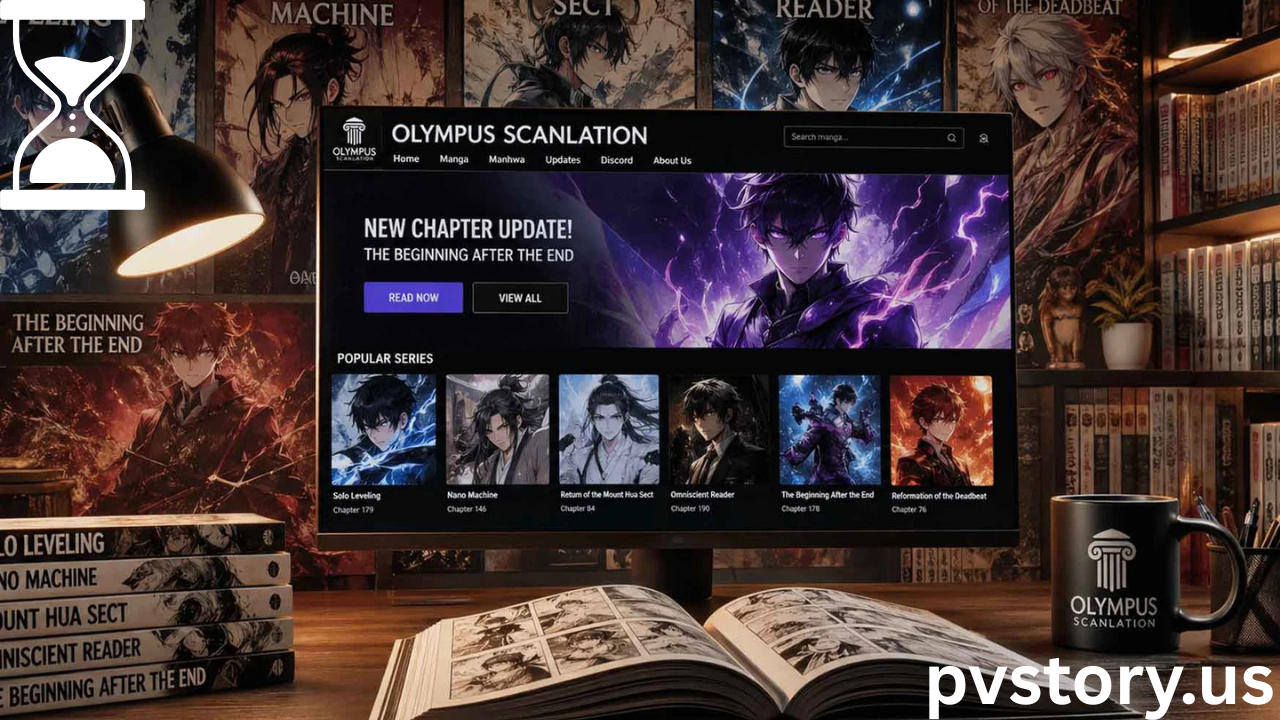
The world of manga has changed dramatically over the last two decades. Long before major publishers launched global digital platforms and simulpub releases, passionate fan communities worked tirelessly behind the scenes to bring Japanese comics to international audiences. Among the names frequently discussed within these circles, Olympus Scanlation stands out as a notable example of how volunteer-driven translation groups helped expand manga’s global reach.
For many readers, discovering a favorite manga series often began with a translated chapter uploaded by dedicated fans. These groups weren’t large media companies or publishing giants. Instead, they were communities of translators, editors, proofreaders, and graphic designers who invested countless hours into making stories accessible across language barriers.
Today, as legal manga platforms continue to grow and publishers embrace international audiences faster than ever before, discussions surrounding Olympus Scanlation remain relevant. The group’s history reflects broader trends in fan translation culture, digital publishing, copyright debates, and the evolution of global manga fandom.
Understanding the impact of Olympus Scanlation offers valuable insight into how fan communities influenced one of the world’s fastest-growing entertainment industries.
The Rise of Scanlation Culture
Before exploring Olympus Scanlation specifically, it’s important to understand the environment that allowed scanlation groups to flourish.
The term “scanlation” combines the words “scan” and “translation.” It refers to the process of scanning manga pages, translating the original Japanese text, editing the images, and distributing translated versions online. The practice gained momentum in the late 1990s and early 2000s as internet access became more widespread.
At that time, many popular manga titles were unavailable outside Japan. Even when publishers licensed a series internationally, readers often waited months or years for official translations. This gap created an opportunity for fan communities to step in and satisfy growing demand.
As broadband internet expanded globally, scanlation groups became increasingly organized. Teams developed specialized roles, established release schedules, and built reputations based on translation quality and speed. These volunteer efforts helped introduce countless readers to manga genres they might never have encountered otherwise.
What Is Olympus Scanlation?
Olympus Scanlation emerged as one of many fan-driven groups operating within the broader scanlation ecosystem. Like similar organizations, its primary goal was to translate and distribute manga content to readers who lacked access to official versions.
The group became known among manga enthusiasts for its work on selected titles and for maintaining standards that many readers considered reliable. In online manga communities, reputation mattered significantly. Readers often preferred releases from established groups because of consistent translation quality, editing accuracy, and timely chapter updates.
Olympus Scanlation represented more than a translation team. It functioned as a collaborative online community where volunteers contributed diverse skills. Translators converted Japanese dialogue into readable English, while editors cleaned artwork and typesetters integrated translated text into manga panels. The process required coordination, patience, and attention to detail.
For many fans, groups like Olympus Scanlation served as gateways into Japanese culture, storytelling traditions, and niche manga genres that commercial publishers had yet to recognize.
How Olympus Scanlation Operated
The workflow behind a scanlation release was surprisingly sophisticated. Although participants were usually unpaid volunteers, many groups developed production pipelines comparable to small publishing operations.
A typical project began when raw manga scans became available. Translators then converted dialogue, narration, and sound effects into English. Afterward, proofreaders reviewed the text to ensure clarity and accuracy while preserving the original tone and meaning.
Next came image cleaning and typesetting. Editors removed Japanese text from speech bubbles and signs before inserting translated content. This stage often required advanced graphic design skills because maintaining the visual integrity of the artwork was crucial.
Olympus Scanlation, like many respected groups, depended heavily on teamwork. Delays in one stage could affect an entire release schedule. As a result, strong communication and project management became essential elements of successful scanlation operations.
The complexity of this process explains why readers frequently developed appreciation for the volunteers who dedicated significant time to making manga accessible worldwide.
Why Readers Were Drawn to Olympus Scanlation
Several factors contributed to the popularity of groups such as Olympus Scanlation.
First, accessibility played a major role. Before the rise of digital manga platforms, readers outside Japan often struggled to find translated editions of ongoing series. Fan translations provided immediate access to content that would otherwise remain unavailable.
Second, speed mattered. Scanlation groups frequently released chapters within days of their Japanese publication. This allowed international readers to participate in discussions alongside Japanese audiences rather than waiting months for official releases.
Community engagement also proved important. Many readers felt connected to scanlation teams through forums, Discord servers, and comment sections. Unlike traditional publishers, fan groups often interacted directly with audiences, creating a sense of shared enthusiasm.
Additionally, scanlation communities frequently introduced readers to lesser-known titles. These recommendations helped niche series build international followings and sometimes influenced publishers’ licensing decisions.
The Role of Scanlation in Manga’s Global Expansion
The growth of manga outside Japan cannot be fully understood without acknowledging the influence of scanlation communities.
According to industry reports, the global manga market has experienced substantial growth over the past decade, generating billions of dollars in annual revenue. While official publishers, retailers, and streaming platforms deserve significant credit, fan translation communities played an important early role in cultivating international demand.
Many readers first encountered manga through scanlated chapters. After becoming invested in specific series, they often purchased official volumes when available. This pattern helped demonstrate international market potential to publishers and licensors.
Olympus Scanlation and similar groups effectively served as informal ambassadors for manga culture. They introduced readers to storytelling styles, artistic traditions, and genres that differed significantly from Western comics.
In many cases, fan enthusiasm generated through scanlations contributed to broader awareness of titles that later achieved commercial success outside Japan.
The Legal and Ethical Debate
Despite their cultural impact, scanlation groups have long operated within a legally controversial space.
Copyright holders generally retain exclusive rights to translate and distribute their works. Unauthorized translations, even when created by passionate fans, can conflict with these rights. As digital publishing expanded, publishers increasingly focused on protecting intellectual property and encouraging readers to support official releases.
Supporters of scanlation often argue that fan translations historically filled gaps left by limited international licensing. They contend that many series reached global audiences only because volunteer groups introduced them to readers first.
Critics, however, emphasize that unauthorized distribution may reduce incentives for publishers and creators. They argue that artists, writers, and rights holders deserve compensation for their work through legitimate channels.
The debate remains complex because both perspectives highlight legitimate concerns. While scanlation communities contributed to manga’s international growth, the industry’s long-term sustainability depends on supporting creators through legal distribution models.
How the Industry Changed
The manga industry today looks very different from the environment in which Olympus Scanlation originally operated.
Publishers increasingly recognize the value of international audiences. Major platforms now offer simultaneous or near-simultaneous releases, reducing the delays that once drove readers toward fan translations.
Digital subscriptions have become more affordable and accessible. Readers can legally access extensive manga libraries through mobile apps and web platforms, often for a relatively low monthly fee.
Technology has also transformed distribution. Cloud publishing, mobile reading applications, and global licensing agreements allow publishers to reach audiences more efficiently than ever before.
As official access improves, many scanlation groups have reduced operations, shifted focus, or ceased activity altogether. Nevertheless, their historical influence remains visible throughout today’s manga ecosystem.
Community Contributions Beyond Translation

One of the most overlooked aspects of Olympus Scanlation and similar groups is their role in community building.
Scanlation teams often acted as cultural bridges. Translators provided context for Japanese expressions, traditions, holidays, and social customs that international readers might not immediately understand. This educational component enriched the reading experience and encouraged deeper engagement with Japanese culture.
Online communities surrounding scanlations also fostered discussion and discovery. Readers exchanged recommendations, analyzed story developments, and formed friendships based on shared interests.
Many individuals who participated in scanlation projects later pursued careers in translation, publishing, graphic design, localization, or digital media. The skills developed through volunteer work often translated into professional opportunities.
This broader cultural impact demonstrates that scanlation communities contributed more than translated chapters. They helped create vibrant international fandoms that continue to thrive today.
The Future of Fan Translation Communities
As official manga distribution becomes increasingly efficient, the role of fan translation communities continues to evolve.
Some groups have shifted toward projects unlikely to receive official localization. Others focus on preserving older works, documenting manga history, or supporting niche genres with limited commercial appeal.
Artificial intelligence is also beginning to influence translation workflows. Machine translation tools can accelerate certain tasks, although human editors remain essential for preserving nuance, humor, and cultural context. Industry experts generally agree that quality localization still depends heavily on human expertise.
Looking ahead, fan communities will likely continue influencing manga culture even as official publishing channels expand. Their passion, organizational skills, and dedication to storytelling remain valuable assets within the broader ecosystem.
The legacy of Olympus Scanlation illustrates how grassroots communities can shape global entertainment trends in unexpected ways.
Why Olympus Scanlation Still Matters Today
The continued interest in Olympus Scanlation reflects a broader fascination with internet culture and fan-driven media movements.
Modern entertainment increasingly relies on global audiences. Streaming services, digital publishing platforms, and social media communities connect fans across continents in real time. Long before these systems became commonplace, scanlation groups demonstrated how dedicated volunteers could build international audiences around shared interests.
The story of Olympus Scanlation also highlights the power of community-driven innovation. Without significant financial resources, volunteer teams developed workflows, quality standards, and distribution networks that reached readers worldwide.
Even readers who primarily use official platforms today benefit indirectly from the groundwork laid by early fan translation communities. Their efforts helped prove that manga could achieve substantial success beyond Japan, encouraging publishers to invest more aggressively in international markets.
Key Takeaways
- Olympus Scanlation was part of a broader fan translation movement that helped expand manga’s international audience.
- Scanlation groups translated, edited, and distributed manga before many official English versions existed.
- Volunteer communities played a significant role in introducing readers to new genres and lesser-known series.
- The rise of digital publishing and simulpub releases has reduced reliance on fan translations.
- Legal and ethical debates surrounding scanlation continue to generate discussion within the manga industry.
- Fan communities helped demonstrate global demand for manga and influenced publisher licensing strategies.
- The legacy of Olympus Scanlation remains relevant in conversations about localization, fandom, and digital culture.
- Modern manga accessibility owes part of its success to the enthusiasm and dedication of early fan translators.
Frequently Asked Questions
What is Olympus Scanlation?
Olympus Scanlation is a fan translation group associated with the scanlation community. Like similar groups, it worked on translating and editing manga for readers who lacked access to official localized versions.
What does scanlation mean?
Scanlation is the process of scanning manga pages, translating the original language, editing the artwork, and distributing translated versions online. The term combines “scan” and “translation.”
Is Olympus Scanlation still active?
Activity levels can change over time, and many scanlation groups evolve, pause operations, or disband as official publishing options expand. Readers should verify current status through relevant community sources.
Why were scanlation groups popular?
They provided access to manga that was unavailable internationally, released chapters quickly, and fostered active online communities centered around shared interests.
Are scanlations legal?
Scanlations generally involve copyrighted material and typically operate without official authorization from rights holders. Legal interpretations vary by jurisdiction, but publishers often regard unauthorized distribution as copyright infringement.
Did scanlation groups help the manga industry?
Many industry observers believe fan translations helped build international awareness and demand for manga. However, debates continue regarding their overall impact on creators, publishers, and intellectual property rights.
What has replaced scanlations for many readers?
Official digital manga platforms, subscription services, and simulpub releases now provide legal access to a vast range of titles, reducing the need for fan-translated alternatives.
Conclusion
The story of Olympus Scanlation represents a fascinating chapter in the history of global manga culture. What began as a volunteer-driven effort to bridge language barriers ultimately became part of a larger movement that helped introduce Japanese storytelling to millions of readers worldwide.
While the industry has evolved significantly and official platforms now offer unprecedented access to manga, the influence of early fan translation communities remains undeniable. Their dedication demonstrated the global appetite for manga long before publishers fully embraced international audiences.