

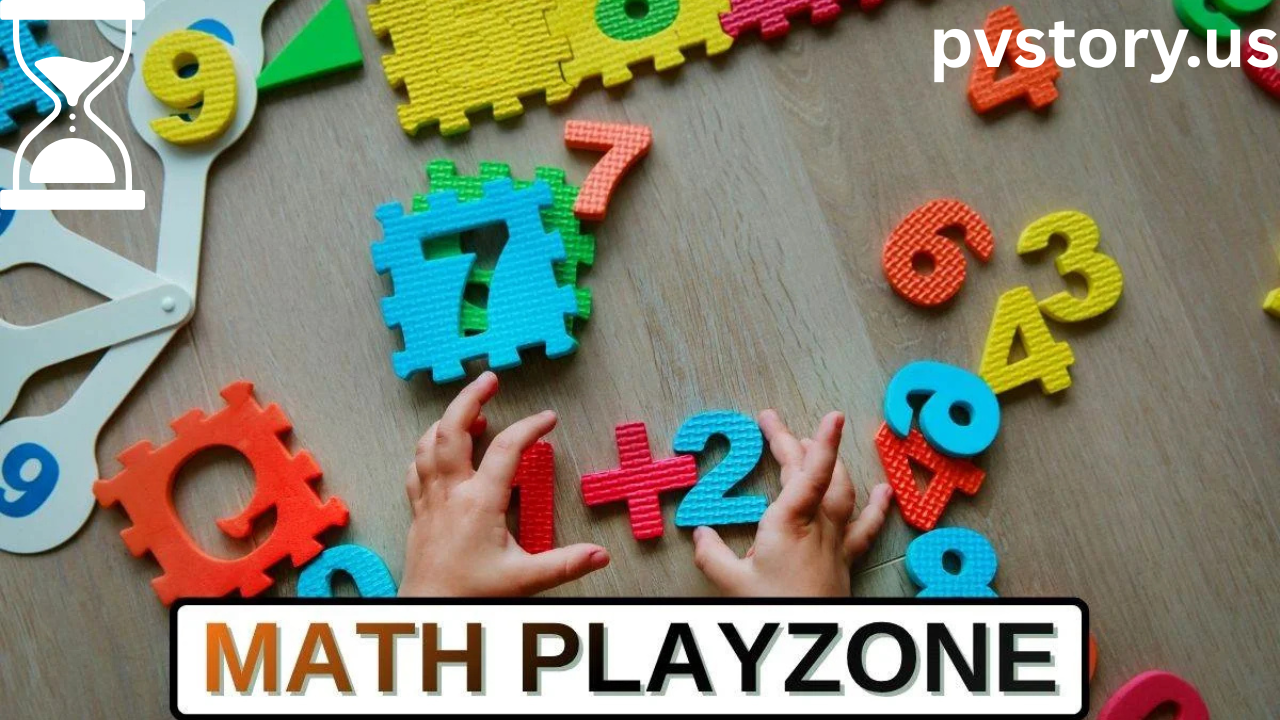
Imagine a child who once dreaded math homework suddenly asking for “just one more problem.” A decade ago, that scenario sounded unlikely. Today, interactive learning platforms are transforming how students engage with numbers, equations, and critical thinking. Among the growing collection of digital learning resources, Math Play Zone has become a popular destination for students, parents, and educators looking to make mathematics more engaging.
The shift comes at a critical time. Studies consistently show that student engagement directly influences academic performance, while educational technology continues to reshape classrooms worldwide. Rather than relying solely on worksheets and memorization, modern learners increasingly benefit from interactive experiences that combine entertainment with skill development.
As digital education evolves, Math Play Zone represents a broader movement toward gamified learning, personalized practice, and accessible math education. Understanding its role offers valuable insight into the future of learning itself.
What Is Math Play Zone?
Math Play Zone is an online educational platform that combines mathematics practice with interactive games and activities. Instead of presenting students with traditional exercises alone, the platform integrates learning objectives into engaging gameplay experiences designed to reinforce core mathematical concepts.
The platform primarily serves elementary and middle-school learners, although some activities can benefit older students who need additional practice. Through puzzles, logic challenges, arithmetic games, and problem-solving exercises, students develop mathematical fluency while remaining actively engaged.
The growing popularity of game-based learning reflects a larger educational trend. Research from educational institutions worldwide suggests that students often retain information more effectively when learning activities include immediate feedback, rewards, and active participation. Math Play Zone aligns with these principles by transforming practice into an interactive experience rather than a passive task.
Why Interactive Math Learning Matters
Traditional math instruction remains essential, but modern educators increasingly recognize the value of supplementing classroom teaching with digital tools. Interactive platforms help bridge the gap between theoretical understanding and practical application.
Many students struggle with math anxiety, a phenomenon that can negatively affect performance and confidence. Interactive learning environments often reduce this pressure by allowing students to practice independently and at their own pace. Mistakes become part of the learning process rather than sources of embarrassment.
Furthermore, educational games encourage experimentation. Students can test strategies, solve challenges, and receive immediate feedback without fear of formal assessment. This approach supports deeper conceptual understanding while fostering resilience and problem-solving skills that extend beyond mathematics.
The Rise of Gamified Education
Gamification has become one of the most influential trends in educational technology. By incorporating game mechanics such as points, achievements, levels, and rewards, learning platforms motivate students to stay engaged for longer periods.
The concept gained momentum as researchers observed similarities between successful video games and effective educational experiences. Both provide clear goals, progressive challenges, instant feedback, and a sense of accomplishment. When applied thoughtfully, these elements can increase motivation and persistence.
Math Play Zone reflects this broader trend by integrating mathematical concepts into entertaining activities. Instead of viewing practice as repetitive work, students often perceive it as a challenge to overcome. This psychological shift can significantly improve engagement and learning outcomes.
Key Features That Make Math Play Zone Popular
One reason for the platform’s appeal is its accessibility. Students can typically access activities without extensive setup, allowing them to begin practicing quickly. This simplicity reduces barriers to learning and encourages regular use.
Another notable feature is content variety. Learners encounter arithmetic exercises, logic puzzles, multiplication challenges, fractions activities, geometry games, and mental math tasks. This diversity helps prevent boredom while exposing students to multiple mathematical domains.
Additionally, many activities emphasize critical thinking rather than rote memorization alone. Students must analyze situations, identify patterns, and apply mathematical reasoning to succeed. Such experiences help develop transferable cognitive skills valuable in academics and everyday life.
How Students Benefit From Digital Math Games
The benefits of digital math games extend beyond improved calculation skills. Students frequently develop stronger confidence in their mathematical abilities after consistent exposure to interactive learning environments.
Confidence matters because students who believe they can succeed often demonstrate greater persistence when facing difficult problems. Interactive platforms create opportunities for repeated success, reinforcing positive attitudes toward mathematics.
Digital learning tools also support differentiated instruction. Every student progresses at a unique pace, and online platforms often allow learners to spend additional time on challenging concepts while advancing quickly through familiar material. This flexibility creates a more personalized educational experience.
Supporting Parents in At-Home Learning
Parents play a vital role in educational success, yet many struggle to find effective ways to support Math Play Zone learning at home. Interactive platforms provide a practical solution by offering structured activities that children can complete independently or with minimal supervision.
For busy families, educational games can transform screen time into productive learning time. Instead of viewing technology solely as entertainment, parents can use it as a tool for skill development and academic reinforcement.
Moreover, many digital resources provide immediate feedback, helping parents identify areas where their children may need additional support. This visibility enables more informed conversations about learning progress and educational goals.
The Role of Teachers in Digital Mathematics Education
Teachers increasingly integrate educational technology into classroom instruction. Rather than replacing traditional teaching methods, platforms like Math Play Zone often serve as supplemental resources that reinforce lessons and provide additional practice opportunities.
Interactive tools can help educators address diverse learning needs within a single classroom. While some students require extra reinforcement, others benefit from enrichment activities that extend beyond standard curriculum requirements.
Teachers also appreciate the engagement factor. Students who might otherwise disengage during conventional practice sessions often respond positively to game-based learning activities. As a result, educators gain another valuable resource for maintaining classroom motivation and participation.
Mathematical Skills Developed Through Interactive Play
Effective educational games target more than simple arithmetic. Many activities encourage the development of foundational mathematical thinking skills that support long-term academic success.
Number sense remains one of the most important competencies. Students learn to understand relationships between numbers, estimate outcomes, and recognize patterns. These abilities form the basis for more advanced mathematical concepts.
Interactive challenges also strengthen logical reasoning, spatial awareness, problem-solving, and strategic thinking. Such skills are increasingly valuable in modern education, where employers and universities emphasize analytical capabilities alongside subject-specific knowledge.
Educational Technology Trends Shaping the Future

The educational technology sector continues to expand rapidly. Artificial intelligence, adaptive learning systems, and personalized content delivery are reshaping how students interact with educational materials.
Future learning platforms may analyze student performance in real time and automatically adjust difficulty levels based on individual needs. This personalization could make learning more efficient and effective for diverse populations.
Meanwhile, gamification remains a dominant trend. Educational researchers continue exploring ways to balance entertainment and academic rigor, ensuring that engagement supports genuine learning outcomes rather than superficial participation.
Challenges and Limitations to Consider
Despite their advantages, digital learning platforms are not perfect solutions. Educational experts emphasize the importance of balancing screen-based activities with traditional instruction, hands-on learning, and real-world problem-solving experiences.
Not all games provide equal educational value. Some prioritize entertainment over meaningful skill development, making careful selection important. Parents and educators should evaluate whether activities align with learning objectives and curriculum standards.
Access remains another challenge. While internet connectivity continues to improve globally, disparities persist. Ensuring equitable access to quality educational resources remains a significant priority for schools, governments, and technology providers.
How to Get the Most Value From Math Play Zone
Students achieve the greatest benefits when interactive learning becomes part of a broader educational strategy. Consistency matters more than occasional intensive use. Short, regular practice sessions often produce stronger long-term results than infrequent marathon sessions.
Parents and teachers can maximize effectiveness by setting clear goals. For example, students might focus on multiplication fluency one week and fractions practice the next. Structured objectives help transform gameplay into purposeful learning.
It is also helpful to encourage reflection. After completing activities, students can discuss strategies, explain solutions, and identify areas for improvement. This metacognitive process deepens understanding and reinforces learning outcomes.
Key Takeaways
- Math Play Zone combines mathematics education with interactive gameplay.
- Gamified learning can improve student engagement and motivation.
- Digital Math Play Zone platforms help reduce anxiety through low-pressure practice.
- Parents can use educational games to support at-home learning.
- Teachers often integrate interactive resources as supplemental tools.
- Critical thinking, problem-solving, and number sense develop alongside arithmetic skills.
- Personalized and adaptive learning technologies are shaping the future of math education.
- Consistent use and clear learning goals maximize educational benefits.
- Interactive learning works best when combined with traditional instruction.
- Educational technology continues to play an increasingly important role in modern classrooms.
FAQ
What is Math Play Zone?
Math Play Zone is an online educational platform that offers interactive math games, puzzles, and learning activities designed to help students practice mathematical concepts in an engaging way.
Is Math Play Zone suitable for all age groups?
The platform primarily targets elementary and middle-school students. However, some activities may also benefit older learners seeking additional math practice or skill reinforcement.
How does gamified learning improve math skills?
Gamified learning increases motivation through challenges, rewards, and immediate feedback. These elements encourage repeated practice, which helps strengthen mathematical understanding and retention.
Can teachers use Math Play Zone in classrooms?
Yes. Many educators use interactive math platforms as supplemental teaching tools to reinforce lessons, support differentiated instruction, and increase student engagement.
Does interactive learning replace traditional math education?
No. Most experts recommend using digital resources alongside traditional teaching methods. The combination often produces better outcomes than relying exclusively on one approach.
What skills can students develop besides arithmetic?
Students can improve logical reasoning, critical thinking, problem-solving, pattern recognition, strategic planning, and number sense through interactive mathematical activities.
What is the future of digital math learning?
The future likely includes adaptive learning systems, artificial intelligence, personalized educational experiences, and increasingly sophisticated gamification techniques that respond to individual student needs.
Conclusion
The story of modern math education is no longer just about textbooks, worksheets, and classroom lectures. It is increasingly about engagement, accessibility, and personalization. Math Play Zone illustrates how educational technology can transform mathematical practice into an experience students actively enjoy rather than avoid.
As schools, parents, and learners continue exploring innovative approaches to education, interactive platforms will play an increasingly influential role. The most successful learning environments will combine proven teaching methods with engaging digital experiences that foster confidence, curiosity, and lifelong problem-solving skills.