

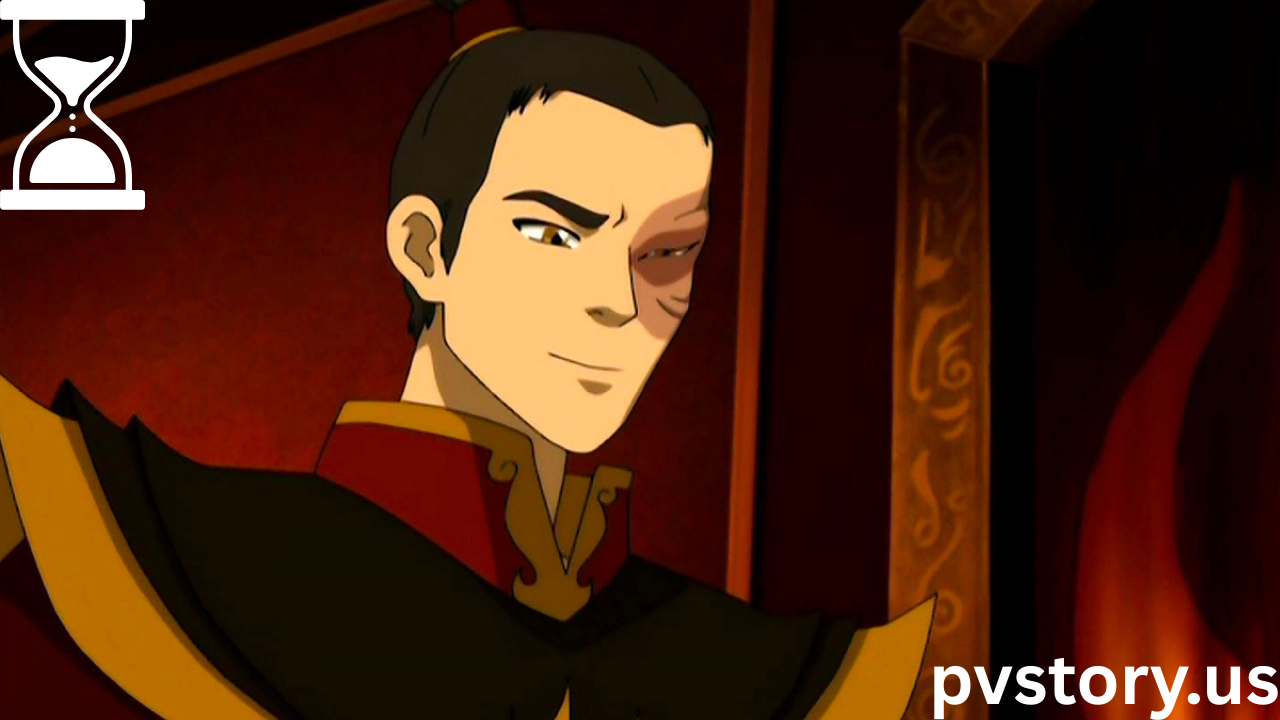
Few fictional characters have transformed as dramatically—or as memorably—as Prince Zuko. When audiences first met him in Avatar: The Last Airbender, he appeared to be a relentless antagonist obsessed with capturing the Avatar. Yet beneath the anger, scars, and determination was a young man struggling with identity, family expectations, and the desire to be accepted.
Years after the series ended, Prince Zuko remains one of the most discussed animated characters in modern storytelling. His journey resonates with viewers because it reflects real human experiences: failure, self-discovery, forgiveness, and personal growth. In an era where audiences increasingly seek complex characters instead of simple heroes and villains, Zuko stands as a masterclass in character development.
The Origins of Prince Zuko
Prince Zuko was born into the royal family of the Fire Nation, one of the four nations in the world of Avatar: The Last Airbender. As the son of Fire Lord Ozai and Princess Ursa, Zuko grew up under immense pressure. His family lineage placed enormous expectations on him from a young age, particularly regarding strength, leadership, and loyalty to the Fire Nation.
Unlike many members of the royal family, however, Zuko displayed compassion and empathy. These qualities often conflicted with the harsh values promoted by his father. While his sister Azula excelled in meeting Ozai’s expectations, Prince Zuko struggled to fit the mold, creating tensions that would define much of his early life.
The contrast between Zuko and Azula became one of the most compelling family dynamics in animation. Their rivalry highlighted different responses to parental pressure, making Prince Zuko’s eventual transformation even more impactful.
The Defining Moment: The Agni Kai
Every great character has a turning point, and for Prince Zuko, that moment came during an Agni Kai. In Fire Nation culture, an Agni Kai is a formal firebending duel used to settle disputes and restore honor.
When Zuko spoke out against a military strategy that would sacrifice inexperienced soldiers, he unknowingly challenged his father’s authority. Rather than rewarding his compassion, Fire Lord Ozai viewed the act as disrespect. The result was a devastating Agni Kai in which Ozai permanently scarred Zuko’s face.
More than a physical injury, the scar symbolized rejection and emotional trauma. Ozai then banished Prince Zuko and assigned him what seemed like an impossible mission: capture the Avatar, a figure believed to have disappeared a century earlier.
This event became the foundation of Zuko’s internal conflict. He spent years believing that capturing the Avatar would restore his honor, unaware that true honor would come from understanding himself.
The Search for Honor
Throughout the early seasons, Prince Zuko repeatedly speaks about honor. At first glance, his obsession appears straightforward. However, the deeper narrative reveals that he does not truly understand what honor means.
Zuko associates honor with approval from his father and acceptance by the Fire Nation. Consequently, he chases the Avatar across oceans, deserts, and continents. Every failure intensifies his frustration because he believes his worth depends entirely on completing this mission.
This storyline resonates with many viewers because it mirrors real-world struggles. People often tie their self-worth to career success, social status, or external validation. Prince Zuko’s journey demonstrates the dangers of defining identity through other people’s expectations.
Over time, audiences witness his growing uncertainty. Each encounter with Team Avatar challenges his assumptions, slowly forcing him to question the values he once accepted without hesitation.
The Influence of Uncle Iroh
No discussion of Prince Zuko would be complete without examining the role of Uncle Iroh. Widely regarded as one of television’s greatest mentors, Iroh serves as Zuko’s guide, protector, and moral compass.
Unlike Ozai, Iroh encourages patience, wisdom, and self-reflection. He understands that Zuko’s greatest battle is not against the Avatar but within himself. Throughout their travels, Iroh repeatedly offers advice that helps shape Zuko’s future decisions.
One reason their relationship resonates so deeply is its authenticity. Iroh does not force change upon Zuko. Instead, he provides support while allowing his nephew to make mistakes and learn from them. This approach reflects effective mentorship in real life.
Many fans consider Iroh’s guidance essential to Prince Zuko’s redemption. Without his influence, Zuko might never have developed the self-awareness needed to break free from his father’s control.
Why Prince Zuko Became a Fan Favorite
When Avatar: The Last Airbender premiered, few viewers expected Prince Zuko to become one of the show’s most beloved characters. Yet by the series finale, he had become arguably the most celebrated figure in the franchise.
One reason for this popularity is realism. Unlike traditional heroes who seem naturally virtuous, Zuko struggles constantly. He makes poor decisions, experiences setbacks, and wrestles with conflicting emotions. These flaws make him relatable.
Another factor is consistency. The writers carefully developed Prince Zuko over multiple seasons. Every major decision feels earned because audiences witness the experiences that shape his thinking. Rather than changing overnight, he evolves gradually, creating one of the most convincing redemption arcs in television history.
Today, many storytelling experts cite Zuko as a benchmark for effective character development and narrative structure.
The Redemption Arc That Redefined Animation
Redemption stories are common in fiction, but Prince Zuko’s arc stands apart because of its depth and execution. Instead of simply switching sides, he undergoes a complete transformation in how he views himself and the world.
The turning point occurs when Zuko finally realizes that gaining his father’s approval will never bring happiness. Even after returning home and receiving recognition, he feels emptier than ever. This realization forces him to confront difficult truths about the Fire Nation and his own actions.
Eventually, Prince Zuko chooses to help Avatar Aang defeat Fire Lord Ozai. Importantly, this decision comes at great personal risk. He sacrifices status, comfort, and security because he believes it is the right thing to do.
This transformation demonstrates that redemption requires accountability, courage, and action—not merely regret.
The Psychology Behind Zuko’s Character
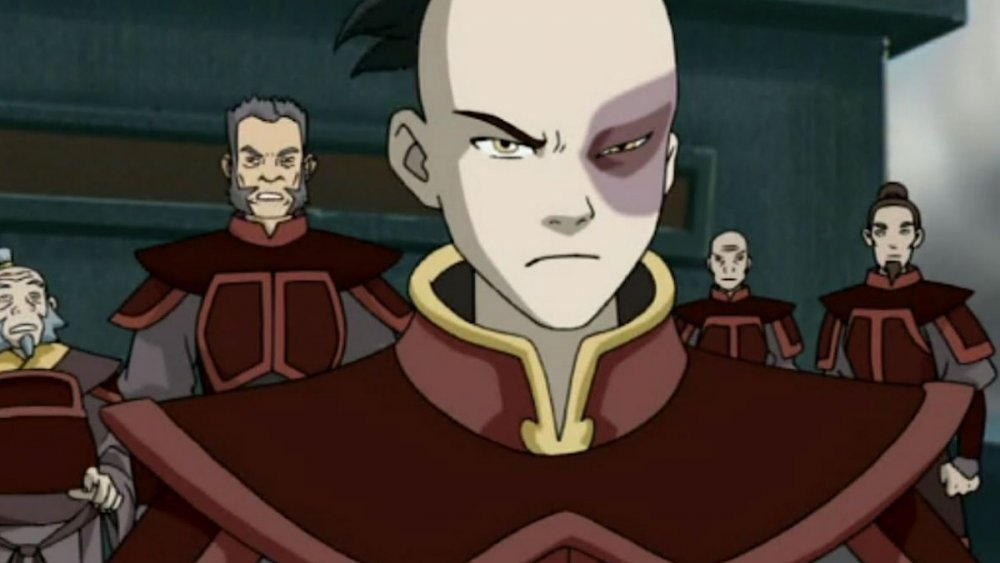
Psychologists and media analysts frequently discuss Prince Zuko because his character reflects several real-world psychological themes.
One prominent theme is identity formation. Adolescents often struggle to define themselves independently from family expectations. Zuko’s journey mirrors this developmental process as he gradually establishes his own beliefs and values.
Another theme involves trauma and healing. The emotional wounds inflicted by Ozai shape many of Zuko’s decisions. His anger often serves as a coping mechanism for deeper feelings of rejection and insecurity.
Furthermore, Prince Zuko illustrates the importance of supportive relationships. His bond with Uncle Iroh demonstrates how mentorship, empathy, and encouragement can help individuals overcome adversity and achieve personal growth.
Prince Zuko’s Impact on Popular Culture
The influence of Prince Zuko extends far beyond the original television series. Over the years, his character has become a cultural reference point whenever discussions arise about redemption arcs and character development.
Social media platforms regularly feature analyses of Zuko’s journey. Writers, filmmakers, and content creators frequently reference his story when discussing narrative excellence. Many modern animated series have attempted to replicate the complexity that made Prince Zuko so memorable.
His popularity has also contributed to the enduring success of the Avatar franchise. Merchandise, fan art, podcasts, essays, and online communities continue exploring his character years after the show’s conclusion.
This lasting relevance highlights the power of well-crafted storytelling in an increasingly competitive entertainment landscape.
Leadership Lessons from Prince Zuko
By the end of the series, Prince Zuko emerges as a fundamentally different leader from the one audiences first encountered. His growth offers valuable lessons applicable beyond fiction.
First, effective leadership requires humility. Zuko learns to listen to others and acknowledge mistakes rather than relying solely on authority. This approach helps him earn trust and respect.
Second, leadership involves responsibility. Instead of blaming others for the Fire Nation’s problems, Prince Zuko accepts accountability and works toward meaningful reform.
Third, great leaders remain committed to continuous learning. Zuko’s willingness to challenge long-held beliefs enables him to evolve into a ruler capable of guiding positive change.
These lessons help explain why business professionals, educators, and leadership experts often reference his character.
The Legacy of Prince Zuko in Modern Storytelling
The entertainment industry has changed dramatically since Avatar: The Last Airbender first aired. Streaming services, social media, and global audiences have transformed how stories are consumed and discussed.
Despite these changes, Prince Zuko remains remarkably relevant. Contemporary viewers continue discovering the series and connecting with his experiences. New generations appreciate the emotional depth, moral complexity, and authenticity that define his journey.
Industry trends increasingly favor nuanced characters over simplistic archetypes. In many ways, Prince Zuko helped demonstrate that audiences are willing to invest deeply in morally complex narratives.
His influence can be seen in modern fantasy, animation, and even live-action storytelling, where redemption arcs have become increasingly sophisticated.
Recent Interest and Future Relevance
Interest in Prince Zuko has remained strong thanks to streaming accessibility, franchise expansions, and ongoing discussions within fandom communities. The continued popularity of Avatar: The Last Airbender introduces new audiences to his story every year.
Meanwhile, the broader entertainment industry continues emphasizing character-driven narratives. Experts predict that audiences will increasingly seek stories featuring emotional authenticity and personal transformation.
Because Prince Zuko embodies these qualities so effectively, his relevance is unlikely to fade. Instead, his journey may continue serving as a model for future storytellers seeking to create meaningful and memorable characters.
Key Takeaways
- Prince Zuko is widely regarded as one of animation’s greatest characters.
- His redemption arc is considered a benchmark for character development.
- Family expectations and identity struggles drive much of his journey.
- Uncle Iroh plays a crucial role in his transformation.
- The concept of honor evolves significantly throughout the story.
- Zuko’s experiences reflect real-world themes of trauma, growth, and self-discovery.
- His leadership lessons remain relevant in modern contexts.
- The character continues influencing writers, creators, and audiences worldwide.
FAQ
Who is Prince Zuko?
Prince Zuko is a central character in Avatar: The Last Airbender. He begins as a banished Fire Nation prince pursuing the Avatar but eventually becomes one of the series’ heroes.
Why is Prince Zuko so popular?
His popularity stems from his realistic character development, emotional complexity, and one of the most compelling redemption arcs in television history.
What caused Prince Zuko’s scar?
Fire Lord Ozai burned Zuko during an Agni Kai after Zuko challenged a military strategy and unintentionally disrespected his father.
How did Uncle Iroh help Prince Zuko?
Uncle Iroh provided guidance, emotional support, and wisdom throughout Zuko’s journey, helping him discover his true identity and values.
What does honor mean to Prince Zuko?
Initially, Zuko views honor as earning his father’s approval. Later, he realizes honor comes from integrity, accountability, and doing what is right.
Does Prince Zuko become Fire Lord?
Yes. After helping defeat Fire Lord Ozai, Zuko becomes Fire Lord and works to promote peace and reconciliation.
Why is Prince Zuko considered a great redemption character?
His transformation develops gradually through meaningful experiences, personal reflection, and difficult choices, making his redemption feel authentic and earned.
Conclusion
The story of Prince Zuko endures because it speaks to universal human experiences. His struggle for identity, search for belonging, and eventual redemption resonate across generations and cultures. Unlike many fictional characters, Zuko’s growth feels authentic because it acknowledges failure, pain, and uncertainty.
As storytelling continues evolving, Prince Zuko remains a shining example of how complex characters can inspire audiences and elevate an entire narrative. Whether you are a longtime fan or discovering his journey for the first time, his story offers timeless lessons about courage, self-discovery, and the power of choosing a better path. Explore the world of Avatar: The Last Airbender further, and you will quickly understand why Prince Zuko continues to captivate audiences around the globe.