

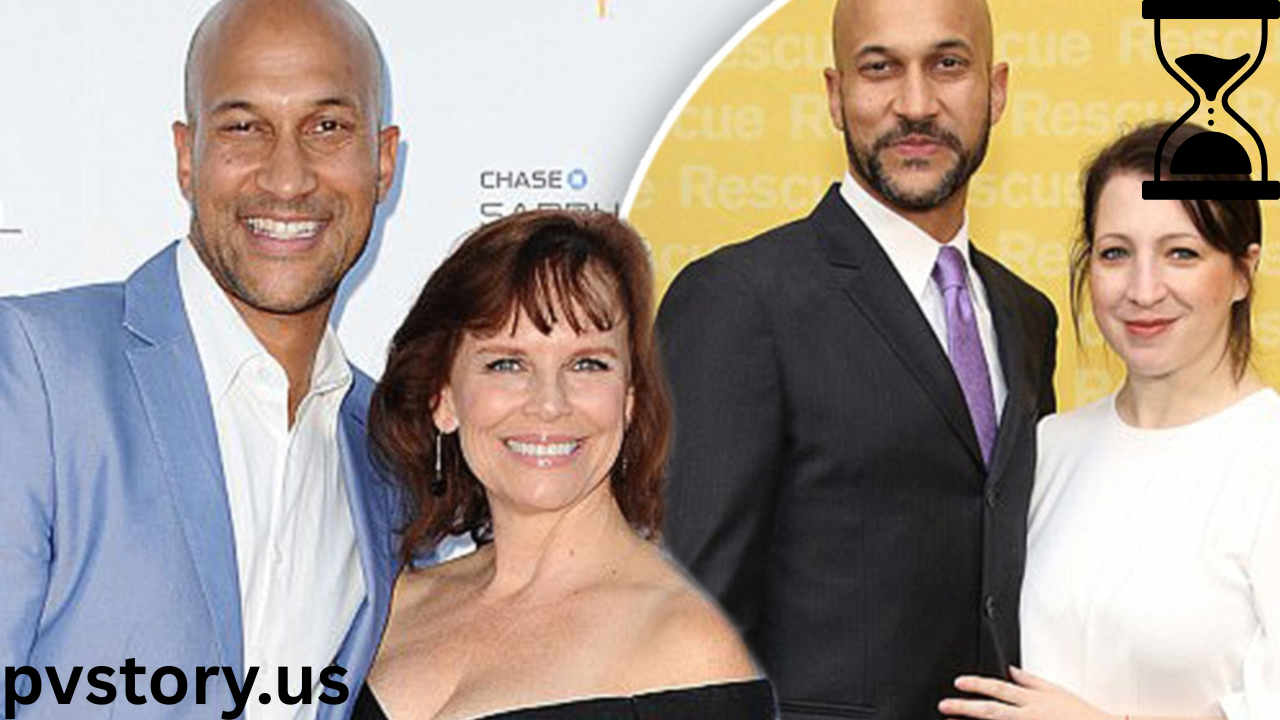
For years, audiences have celebrated the actors who brought unforgettable characters to life on screen. Yet behind many standout performances stands an invisible force: the experts who help performers master accents, speech patterns, and authentic character voices. One such figure is Cynthia Blaise, a respected Hollywood dialect coach whose name has recently generated renewed public interest.
While many people recognize Cynthia Blaise because of her former marriage to actor and comedian Keegan-Michael Key, her professional story reaches far beyond celebrity headlines. As conversations about behind-the-scenes talent continue to grow in the entertainment industry, Blaise’s career offers a fascinating look at the specialists who help shape some of Hollywood’s most memorable performances.
This renewed attention has sparked curiosity about her life, career achievements, personal challenges, and lasting influence on the entertainment world. Understanding Cynthia Blaise means looking beyond tabloid narratives and appreciating the expertise that helped actors transform into believable characters on screen.
Who Is Cynthia Blaise?
Cynthia Blaise is an American dialect coach, voice specialist, and occasional actress who built a respected career in the entertainment industry. Unlike many Hollywood personalities who thrive in the spotlight, Blaise spent much of her professional life working behind the scenes, helping actors refine accents, improve vocal delivery, and create authentic character portrayals.
Her work reflects a specialized craft that many viewers rarely notice but frequently experience. Whether an actor convincingly portrays someone from another region, country, or cultural background often depends on the guidance of dialect professionals like Blaise. These experts analyze speech patterns, pronunciation, rhythm, and vocal nuances to ensure performances feel genuine.
Although public information about her early years remains relatively limited, industry profiles consistently describe her as someone deeply committed to theater, acting, and voice training. Her educational background in performing arts helped establish the foundation for a career that blended technical expertise with creative storytelling.
As Hollywood productions increasingly emphasize authenticity, professionals with Blaise’s skill set have become even more valuable. Her career represents an often-overlooked segment of the entertainment business that directly contributes to the quality of on-screen performances.
Cynthia Blaise’s Career in Hollywood
Long before her name appeared in entertainment news, Cynthia Blaise had already earned recognition as a dialect coach. She worked on productions where accurate speech patterns and vocal consistency were essential to character development. Her responsibilities extended beyond teaching accents; they involved helping actors inhabit their roles more convincingly.
Dialect coaching requires a combination of linguistic knowledge, acting expertise, and interpersonal communication skills. Coaches must understand regional language differences while also helping performers maintain those speech patterns throughout lengthy filming schedules. This demanding role places them at the intersection of performance and technical precision.
Throughout her career, Blaise contributed to several notable film and television projects. Industry reports have linked her work to productions including the movie Miami Vice, among others. Her involvement in such projects highlights the trust studios place in experienced voice professionals who can help elevate performances.
The growing recognition of behind-the-scenes contributors has helped audiences better understand how many specialists are involved in creating successful entertainment. In that context, Cynthia Blaise’s professional journey reflects the broader importance of technical experts whose contributions often go unnoticed by viewers.
The Art and Importance of Dialect Coaching
Many moviegoers assume actors naturally master accents for their roles. In reality, convincing vocal performances often result from months of preparation guided by dialect coaches. Cynthia Blaise built her reputation within this highly specialized field.
Dialect coaching involves far more than correcting pronunciation. Coaches help performers understand cultural context, speech rhythms, vocal placement, and emotional authenticity. A believable accent requires consistency, especially during emotionally demanding scenes where actors focus on performance rather than technical details.
The entertainment industry has increasingly prioritized authenticity in recent years. Audiences quickly recognize when accents feel forced or inaccurate, and social media amplifies those critiques. As a result, studios invest heavily in voice and dialect training to ensure credibility.
Experts note that successful dialect coaching can dramatically enhance audience immersion. When viewers stop noticing an accent and simply believe the character, the coaching has achieved its purpose. Professionals like Blaise play a crucial role in creating that seamless experience.
Marriage to Keegan-Michael Key and Public Attention
Much of the public’s interest in Cynthia Blaise stems from her relationship with Keegan-Michael Key. The couple married in 1998 and remained together for nearly two decades before separating. Their marriage unfolded largely outside the public spotlight during the early years of Key’s career.
During this period, both individuals pursued careers in entertainment, though in very different capacities. While Key eventually became a household name through projects such as Key & Peele, Blaise continued working behind the scenes as a dialect and voice specialist. Industry reports suggest she played a supportive role during key stages of his professional development.
As Key’s fame expanded, public curiosity about his personal life naturally increased. However, Blaise generally maintained a private profile, rarely seeking media attention or public recognition. This contrast between public celebrity and professional privacy would become a defining feature of how audiences viewed her story.
Their relationship demonstrates the unique pressures faced by couples navigating Hollywood careers. While one partner may become internationally recognized, the other may continue making significant contributions away from the spotlight.
The Divorce That Drew National Headlines
In 2015, reports emerged that the couple had separated, and divorce proceedings followed shortly afterward. Because Key’s popularity was growing rapidly at the time, media coverage of the split became widespread.
Court filings and entertainment news reports revealed that the divorce involved financial negotiations and discussions regarding spousal support. Several publications reported details of the eventual settlement, which attracted significant public attention due to the figures involved.
The situation also highlighted broader conversations about long-term marriages, career sacrifices, and financial arrangements within the entertainment industry. Cases involving high-profile individuals often spark debate about the economic realities behind celebrity success.
While public interest largely focused on legal proceedings and financial outcomes, the story also underscored the personal challenges that accompany the end of a long-term relationship. For Blaise, the experience marked a significant turning point in both her public identity and personal life.
Personal Challenges and Public Scrutiny
Following the divorce, media reports indicated that Cynthia Blaise experienced significant emotional and personal difficulties. Legal filings referenced health struggles and emotional distress associated with the end of the marriage.
Such challenges are not uncommon following major life transitions, particularly when private matters become public discussion topics. For individuals connected to celebrities, media scrutiny can intensify an already difficult situation. Personal experiences often become reduced to headlines, leaving little room for nuance or context.
Mental health experts frequently note that public exposure can complicate recovery from stressful life events. Constant attention from news outlets and online commentary may create additional pressure during periods of adjustment.
Blaise’s experience serves as a reminder that celebrity-related stories often involve real people facing deeply personal circumstances. Looking beyond sensational headlines provides a more complete understanding of the human realities behind entertainment news.
Why Interest in Cynthia Blaise Remains Strong
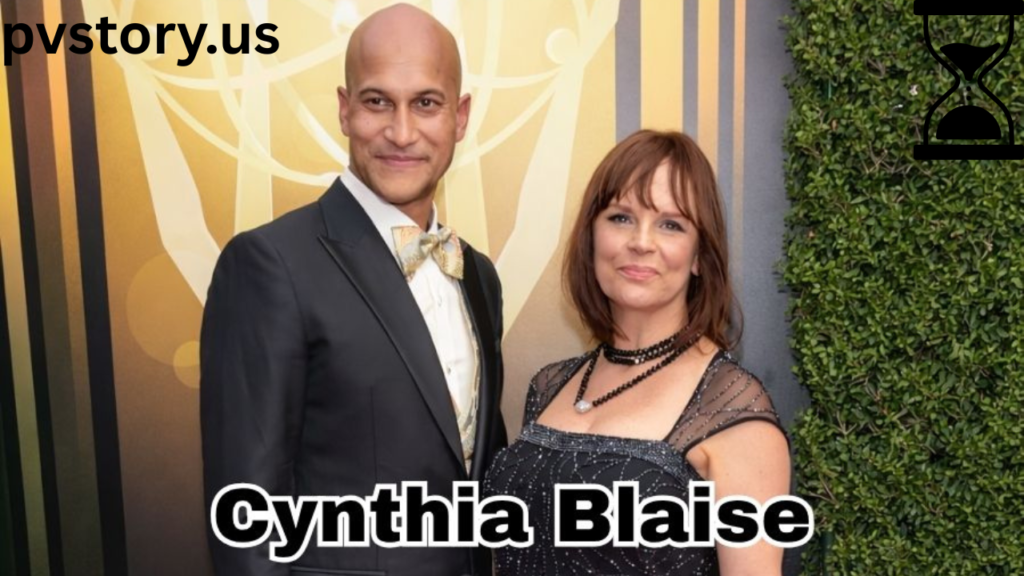
Years after her divorce, Cynthia Blaise continues to attract online searches and media attention. Several factors contribute to this ongoing interest. First, audiences remain curious about the personal histories of well-known entertainers, particularly those connected to successful careers in film and television.
Second, growing appreciation for behind-the-scenes professionals has encouraged readers to learn more about specialists who contribute to major productions. Voice coaches, dialect experts, casting directors, and other creative professionals are increasingly receiving recognition for their work.
Additionally, the rise of AI-driven search platforms has changed how people explore celebrity-related topics. Users now seek deeper context rather than simple biographical facts. Questions about careers, professional contributions, and personal journeys often generate sustained interest.
This shift benefits stories like Blaise’s because it allows a broader examination of her accomplishments rather than focusing exclusively on celebrity relationships. As audiences become more interested in industry expertise, her career remains relevant and noteworthy.
The Changing Landscape of Hollywood Support Roles
Hollywood has undergone significant changes in recent years. Productions now place greater emphasis on authenticity, diversity, and cultural accuracy. These priorities have elevated the importance of specialists such as dialect coaches.
Streaming platforms have expanded demand for international stories, requiring actors to portray characters from a wider range of backgrounds. Consequently, voice and accent coaching has become a critical component of production planning. Industry analysts note that viewers are more attentive than ever to details that affect credibility.
Technology has also transformed training methods. Coaches increasingly use digital tools, remote sessions, and advanced recording techniques to help performers refine their speech. Yet the human element remains irreplaceable. Successful coaching still depends on observation, communication, and artistic judgment.
Professionals like Cynthia Blaise helped establish standards that continue influencing contemporary productions. Their expertise laid the groundwork for practices now considered essential across film and television.
Lessons from Cynthia Blaise’s Career Journey
One of the most compelling aspects of Cynthia Blaise’s story is the reminder that success in entertainment extends far beyond acting and directing. Thousands of professionals contribute specialized skills that help bring productions to life.
Her career demonstrates the value of developing expertise in a niche discipline. Rather than pursuing fame directly, Blaise focused on mastering a craft that delivered meaningful impact within the industry. This approach allowed her to build a respected professional reputation over many years.
There is also a broader lesson about resilience. Public narratives often reduce individuals to a single relationship or life event. However, careers are built through decades of work, learning, and adaptation. Blaise’s professional achievements existed long before public attention intensified.
For aspiring entertainment professionals, her journey highlights the opportunities available behind the camera. Specialized skills can create rewarding careers while contributing significantly to creative projects.
Key Takeaways
- Cynthia Blaise is a respected Hollywood dialect coach and voice specialist.
- She built a professional career focused on helping actors create authentic performances.
- Her work reflects the growing importance of behind-the-scenes expertise in entertainment.
- She was married to Keegan-Michael Key from 1998 until their divorce was finalized in 2017.
- Public interest in her story extends beyond celebrity connections and includes her professional contributions.
- Dialect coaching remains a critical component of modern film and television production.
- Her career demonstrates the value of specialized expertise within the entertainment industry.
FAQ
Who is Cynthia Blaise?
Cynthia Blaise is an American dialect coach, voice specialist, and occasional actress known for her work in Hollywood productions and for her former marriage to Keegan-Michael Key.
What does a dialect coach do?
A dialect coach helps actors learn accents, improve speech patterns, maintain vocal consistency, and create authentic character portrayals for film, television, and theater productions.
Was Cynthia Blaise married to Keegan-Michael Key?
Yes. Cynthia Blaise and Keegan-Michael Key were married in 1998 and later divorced after a long-term marriage. The divorce was finalized in 2017.
Why is Cynthia Blaise in the news?
Interest in Cynthia Blaise continues because people search for information about her professional career, her contributions to Hollywood, and her connection to a well-known entertainer.
What productions has Cynthia Blaise worked on?
Industry sources have associated her with projects including Miami Vice and other film and television productions that required dialect and voice coaching expertise.
Why are dialect coaches important in Hollywood?
Dialect coaches help actors deliver believable performances by ensuring accents, pronunciation, and speech patterns remain accurate and consistent throughout production.
What can professionals learn from Cynthia Blaise’s career?
Her journey highlights the importance of specialized expertise, dedication to craft, and the significant impact that behind-the-scenes professionals can have on creative industries.
Conclusion
The story of Cynthia Blaise is ultimately about far more than celebrity headlines. It is the story of a skilled professional who spent decades helping performers refine their craft and bring authenticity to the screen. While public attention often centers on her personal life, her lasting contribution lies in the expertise she brought to the entertainment industry.
As audiences continue to appreciate the people who work behind the scenes, figures like Cynthia Blaise deserve greater recognition. Her career offers valuable insight into the collaborative nature of filmmaking and the many specialists who help create memorable performances. For readers interested in Hollywood, voice coaching, or the hidden talents that shape entertainment, her story remains both relevant and inspiring.