

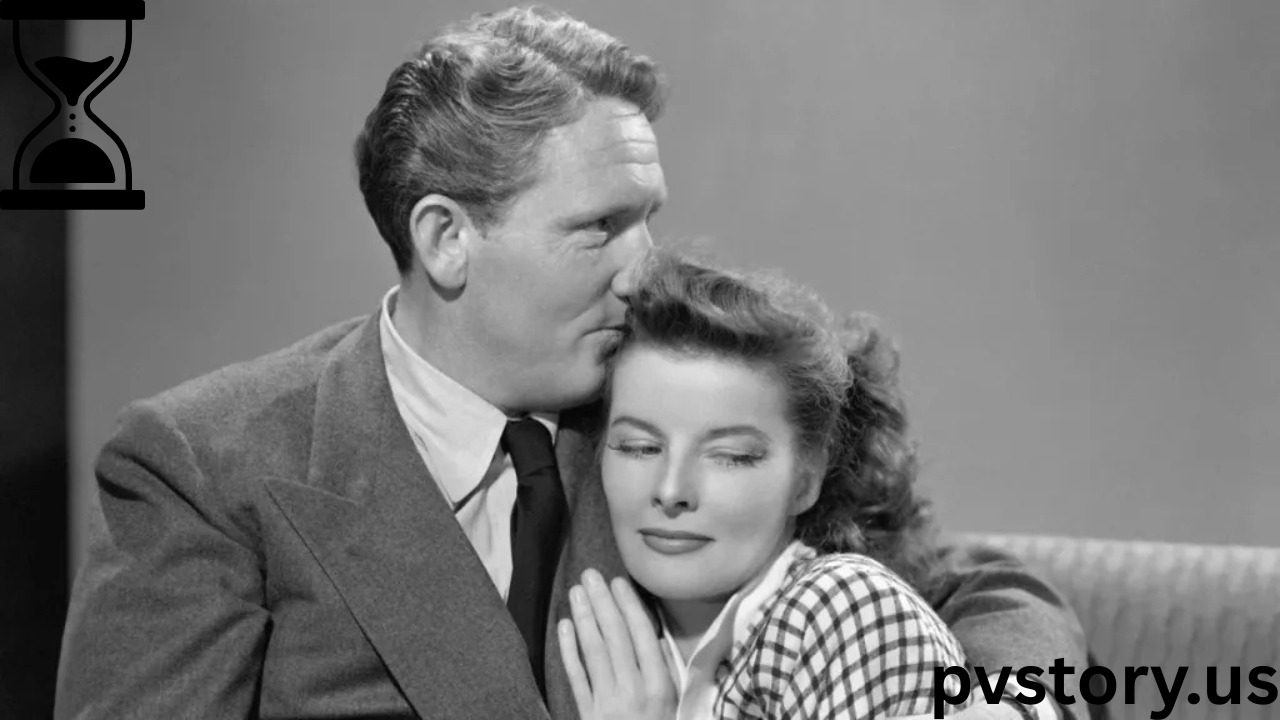
For decades, the name Ludlow Ogden Smith appeared only in the margins of Hollywood history. While millions celebrated actress Katharine Hepburn as one of cinema’s greatest icons, the man who once stood beside her remained largely forgotten. Yet Smith’s story extends far beyond his brief marriage to a future superstar.
A businessman, naval veteran, financier, and influential figure within East Coast society, Smith lived through some of the most transformative decades in American history. His life intersected with the rise of modern banking, the aftermath of World War I, and the golden age of Hollywood. Today, renewed public interest in Hepburn’s personal life and previously overlooked historical figures has brought fresh attention to his legacy.
Understanding Ludlow Ogden Smith reveals not only the story of one man but also a fascinating chapter of American social, financial, and cultural history.
Who Was Ludlow Ogden Smith?
Ludlow Ogden Smith was born on February 6, 1899, in Philadelphia, Pennsylvania, into a prominent and well-connected family. Raised during America’s Gilded Age aftermath, he grew up in an environment that valued education, civic engagement, and professional achievement. Historical records indicate that he later served in the U.S. Navy during the closing years of World War I, an experience that helped shape his disciplined approach to business and leadership.
Although many people recognize his name because of his connection to Katharine Hepburn, Smith established an identity independent of celebrity culture. He pursued a career in finance and business administration at a time when American banking systems were rapidly modernizing. Colleagues described him as methodical, intelligent, and deeply interested in operational efficiency, qualities that would later define his professional accomplishments.
Early Life and Family Background
Philadelphia at the turn of the twentieth century was a center of industry, wealth, and social influence. Smith’s family occupied a respected position within this environment. His father, Lewis Lawrence Smith, was involved in business, while his mother, Gertrude Gouverneur Clemson Smith, participated in civic and social causes, including women’s suffrage movements. This combination of financial stability and public service significantly influenced Smith’s worldview.
Growing up in such surroundings exposed him to influential social networks and business circles. Unlike many public figures whose reputations stem solely from fame, Smith’s standing emerged from family heritage, professional competence, and community engagement. These foundations helped prepare him for leadership roles during a period when American financial institutions were undergoing significant transformation.
Military Service and Formative Experiences
When World War I reshaped global politics and economics, many young Americans entered military service. Smith joined the U.S. Navy in 1918 and remained until 1920. Although his military career was relatively brief, it occurred during a historic moment that influenced an entire generation.
Military service provided more than technical training. It introduced young men like Smith to organizational discipline, strategic thinking, and leadership structures that later proved valuable in civilian careers. Historians frequently note that many successful business leaders of the early twentieth century carried lessons learned during wartime into the boardroom. Smith’s later reputation for systematic problem-solving appears consistent with this pattern.
The Love Story That Captured Historical Attention
The most widely discussed chapter of Ludlow Ogden Smith life began when he met Katharine Hepburn near the end of her college years. Their relationship developed during a period when Hepburn had not yet become a Hollywood icon. The pair married on December 12, 1928, creating a union between two ambitious individuals from respected East Coast families.
At the time, neither could have predicted the extraordinary fame Hepburn would eventually achieve. Friends described the relationship as affectionate and supportive. Smith encouraged her artistic aspirations, while Hepburn admired his intelligence and stability. Their marriage represented a partnership formed before celebrity transformed everyday life.
The story continues to fascinate historians because it offers a rare glimpse into Hepburn before international fame altered her personal and professional world.
Why Their Marriage Ended
As Hepburn’s acting career accelerated, the realities of Hollywood introduced challenges that many couples struggle to overcome. Professional opportunities increasingly demanded her time, travel, and attention. Meanwhile, Smith remained committed to his own business pursuits on the East Coast.
By the early 1930s, the growing distance between their lifestyles became difficult to ignore. Their marriage ultimately ended in divorce in 1934. Unlike many celebrity breakups that generate public hostility, however, their separation remained remarkably respectful. Sources suggest they continued to maintain a positive relationship long after the legal proceedings concluded.
This enduring friendship has become one of the most intriguing aspects of their story. It demonstrated mutual respect despite dramatically different life paths and professional priorities.
The Business Career of Ludlow Ogden Smith
While Hollywood historians often focus on Smith’s marriage, financial historians frequently point to his professional achievements. Smith became president of Ogden Ludlow Inc., a company associated with banking systems and operational improvements within financial institutions. His work centered on creating more efficient processes for savings banks and administrative operations.
This period was crucial for American banking. Financial institutions increasingly sought ways to standardize calculations, reduce administrative errors, and improve efficiency. Long before digital technology transformed finance, innovators like Smith explored methods that could streamline complex workflows.
His contributions reflected broader economic trends. As banking expanded across the United States, institutions needed reliable systems capable of handling growing volumes of transactions. Smith’s expertise placed him within this important movement toward modernization.
The Significance of the “Ludlow Formula”
One of the most frequently cited aspects of Smith’s professional legacy is the so-called “Ludlow Formula.” Contemporary accounts describe it as a method designed to improve efficiency within savings bank operations and financial calculations. Some historians even characterize it as an early precursor to concepts later incorporated into computerized financial systems.
Although modern technology has long surpassed the methods used during Smith’s era, the principle remains relevant. Successful financial innovation often begins with efforts to simplify complex processes and improve accuracy. In that sense, Smith belonged to a generation of professionals who laid important groundwork for future developments in banking automation.
Today, financial technology companies spend billions of dollars pursuing similar goals: faster processing, reduced errors, and improved operational efficiency.
Life After Katharine Hepburn

Following his divorce, Smith largely avoided public attention. Unlike many individuals connected to famous celebrities, he did not attempt to capitalize on his association with Hepburn. Instead, he focused on business, family, and personal pursuits.
In 1942, he married Elisabeth Katharine Albers. The couple built a family life together and had two children. Friends and relatives often described this period as one of stability and fulfillment. While Hepburn continued building a legendary entertainment career, Smith cultivated a quieter existence centered on professional achievement and family responsibilities.
His decision to remain largely outside the spotlight contributes to the relative scarcity of detailed public records compared with more famous contemporaries.
Recent Renewed Interest in Ludlow Ogden Smith
Interest in Smith has grown in recent years as historians, biographers, and online researchers revisit overlooked figures connected to major cultural icons. Public fascination with Katharine Hepburn’s personal life has naturally extended to the people who played important roles in her early years.
Additionally, renewed attention to family archives, historical photographs, and genealogical records has helped reconstruct portions of Smith’s story. Media discussions surrounding Hepburn memorabilia and historical exhibitions have also contributed to greater awareness of his role in her life. These developments illustrate a broader trend in historical storytelling: audiences increasingly seek deeper context rather than focusing solely on famous individuals.
Historical Context and Cultural Relevance
Smith’s life offers valuable insight into twentieth-century America. He experienced the aftermath of World War I, witnessed the Great Depression, observed the rise of modern banking, and lived through major technological and cultural transformations.
His story also highlights the intersection between finance, social influence, and entertainment. While Hepburn became a symbol of Hollywood independence, Smith represented another important American archetype: the disciplined businessman working behind the scenes during an era of economic modernization.
This dual perspective makes his biography particularly relevant for readers interested in both cultural history and economic development.
What Modern Readers Can Learn From His Legacy
Several practical lessons emerge from Smith’s life. First, influence is not always measured by public visibility. Many individuals shape industries, institutions, and even famous careers without becoming household names themselves.
Second, adaptability matters. Smith successfully transitioned from military service into business leadership during a period of significant economic change. His willingness to embrace innovation helped distinguish him professionally.
Finally, his story demonstrates the value of maintaining dignity during personal transitions. Despite the end of a high-profile marriage, he continued building a meaningful life without public conflict or controversy. That quiet resilience remains noteworthy even by today’s standards.
Future Interest and Historical Reassessment
As digital archives continue expanding, researchers will likely uncover additional information about Smith’s professional contributions and personal relationships. Interest in secondary historical figures has increased dramatically in the age of online genealogy and digital preservation.
Future scholarship may further clarify the impact of his banking innovations and the extent of his influence within financial circles. Likewise, continued examination of Katharine Hepburn’s life will almost certainly keep Smith relevant within broader cultural discussions.
For historians, these reassessments are important reminders that influential lives often exist beyond the spotlight.
Key Takeaways
- Ludlow Ogden Smith was a Philadelphia-born businessman, financier, and World War I naval veteran.
- He is best known as the first husband of Katharine Hepburn.
- The couple married in 1928 and divorced in 1934 while remaining on good terms.
- Smith served as president of Ogden Ludlow Inc. and contributed to banking-system efficiency.
- His “Ludlow Formula” is often described as an early precursor to later financial automation concepts.
- He remarried in 1942 and built a private family life away from public attention.
- Recent historical interest has renewed attention to his personal and professional legacy.
- His life provides insight into twentieth-century American finance, society, and culture.
Frequently Asked Questions
Who was Ludlow Ogden Smith?
Ludlow Ogden Smith was an American businessman, World War I naval veteran, and financial innovator. He is most widely known as the first husband of Katharine Hepburn.
When did Ludlow Ogden Smith marry Katharine Hepburn?
The couple married on December 12, 1928, before Hepburn became a major Hollywood star.
Why did Ludlow Ogden Smith and Katharine Hepburn divorce?
Their marriage faced challenges as Hepburn’s acting career expanded and required increasing time and travel. The couple divorced in 1934 but reportedly remained friends afterward.
What was the Ludlow Formula?
The Ludlow Formula was a banking-related operational method associated with Smith’s work in financial systems. It has been described as an early precursor to later computerized financial processes.
Did Ludlow Ogden Smith have children?
Yes. After marrying Elisabeth Katharine Albers, he had two children and focused much of his later life on family and business.
What did Ludlow Ogden Smith do professionally?
He served as president of Ogden Ludlow Inc. and worked on improving efficiency within banking and financial operations.
Why is there renewed interest in Ludlow Ogden Smith today?
Growing interest in historical figures connected to major cultural icons, combined with expanded access to digital archives and genealogical records, has sparked renewed attention to his life and legacy.
Conclusion
The story of Ludlow Ogden Smith is far richer than a simple footnote in Hollywood history. While his marriage to Katharine Hepburn ensured a lasting place in cultural memory, his achievements in business, finance, and public life reveal a man of substance in his own right. He navigated dramatic social and economic change, contributed to financial innovation, and built a respected life beyond celebrity headlines.
As historians continue revisiting overlooked figures from the twentieth century, Smith’s legacy serves as a reminder that some of history’s most interesting stories belong to people who never sought the spotlight. For readers fascinated by American history, classic Hollywood, and the evolution of modern finance, his life remains well worth exploring.