


The history of modern technology is filled with remarkable innovators, but few names have left a bigger mark than Michael Dell and Steve Jobs. Their companies transformed personal computing, redefined how consumers interact with technology, and influenced generations of entrepreneurs around the world.
Although they built businesses with dramatically different philosophies, both leaders became symbols of innovation, determination, and strategic thinking. One focused on operational excellence and direct-to-customer efficiency, while the other became famous for design-driven innovation and groundbreaking products. Together, their stories reveal how contrasting leadership styles can achieve extraordinary success.
Today, the influence of Michael Dell and Steve Jobs extends far beyond computers. Their ideas continue to shape artificial intelligence, cloud computing, mobile devices, digital ecosystems, and the future of business itself.
The Early Years That Shaped Two Tech Icons
The journeys of Michael Dell and Steve Jobs began in very different circumstances. Michael Dell showed entrepreneurial instincts at an early age. Growing up in Texas, he demonstrated an unusual ability to identify market opportunities and improve existing business models. While attending college, he started assembling and selling customized computers directly to customers.
Steve Jobs, meanwhile, developed a fascination with electronics and creativity. Raised in California during the rise of Silicon Valley, he became deeply interested in technology’s ability to change everyday life. Alongside his partners, Jobs helped launch Apple from a garage, creating one of the most famous startup stories in history.
These early experiences shaped their future approaches. Dell focused on efficiency, supply chains, and customer needs, while Jobs concentrated on user experience, product design, and innovation. Those foundational differences would later define their companies and their legacies.
Building Technology Empires Through Different Strategies
One of the most fascinating aspects of Michael Dell and Steve Jobs is how differently they built their businesses.
Michael Dell founded Dell Technologies with a direct-sales model that challenged traditional retail distribution. By selling computers directly to consumers and businesses, Dell reduced costs and customized products according to customer preferences. This strategy allowed the company to grow rapidly during the personal computer boom of the 1990s.
Steve Jobs pursued a completely different path at Apple. Rather than competing primarily on price, he focused on creating products that delivered exceptional user experiences. Apple developed tightly integrated hardware and software ecosystems, enabling the company to differentiate itself from competitors in a crowded market.
Both strategies proved successful. Their contrasting approaches became case studies in business schools worldwide and demonstrated that there is no single formula for building a technology giant.
The Famous Rivalry Between Dell and Apple
The relationship between Michael Dell and Steve Jobs became one of the most discussed rivalries in Silicon Valley history.
In the late 1990s, Apple faced significant financial challenges. During a public appearance, Michael Dell was asked what he would do if he ran Apple. His response was memorable: he said he would shut the company down and return money to shareholders.
At the time, many industry observers believed Apple was losing relevance. However, Steve Jobs had recently returned to the company and was preparing one of the most remarkable corporate turnarounds in business history.
The comment became legendary because Apple eventually achieved extraordinary success. Years later, Jobs reportedly displayed the quote at Apple headquarters as a reminder of how quickly perceptions can change in the technology industry.
Steve Jobs and the Art of Product Innovation
Steve Jobs became synonymous with innovation because he consistently pushed technology beyond existing expectations.
The launch of the Macintosh introduced graphical computing to a broader audience. Later, products such as the iPod, iPhone, and iPad transformed entire industries. These innovations did more than generate revenue; they changed consumer behavior on a global scale.
Jobs believed technology should be both powerful and intuitive. His focus on simplicity, design, and customer experience influenced countless technology companies. Industry analysts often credit Apple’s innovation culture with helping establish modern standards for smartphones, tablets, and digital services.
Today, many startups continue to follow principles popularized by Jobs, including user-centric design, ecosystem integration, and relentless product refinement.
Michael Dell and the Power of Business Execution
While Steve Jobs often captured headlines for innovation, Michael Dell became famous for operational excellence and strategic execution.
Dell Technologies revolutionized manufacturing and supply-chain management. The company’s build-to-order model reduced inventory costs and improved responsiveness to customer demand. These efficiencies helped Dell become one of the world’s leading PC manufacturers.
Michael Dell also demonstrated remarkable adaptability. As the technology landscape evolved, he expanded beyond personal computers into enterprise solutions, cybersecurity, cloud infrastructure, and data management services.
His leadership during major acquisitions, including the landmark EMC transaction, showed how strategic decision-making can drive long-term growth. Business experts frequently cite Dell’s execution-focused approach as a model for sustainable corporate success.
Leadership Styles: Visionary Versus Strategist
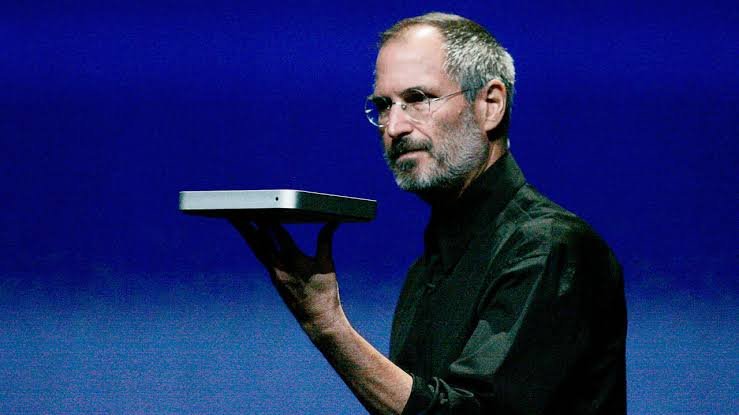
Comparisons between Michael Dell and Steve Jobs often focus on their leadership styles.
Jobs was known for his intense focus, demanding standards, and unwavering commitment to excellence. He challenged teams to rethink conventional assumptions and pursue ambitious goals. While controversial at times, his leadership inspired groundbreaking innovation.
Michael Dell adopted a more analytical and collaborative approach. He emphasized efficiency, data-driven decision-making, and long-term planning. Rather than relying primarily on disruptive product launches, he focused on building scalable systems and organizational strength.
These contrasting leadership methods highlight an important lesson for entrepreneurs: effective leadership can take many forms. Success depends less on personality type and more on aligning leadership practices with organizational goals.
How Their Companies Changed the Technology Industry
The impact of Michael Dell and Steve Jobs extends across nearly every segment of modern technology.
Apple reshaped consumer electronics, digital media, mobile communications, and software ecosystems. The company’s influence can be seen in smartphone design, app development, wearable technology, and digital content distribution.
Dell Technologies helped democratize personal computing and played a major role in enterprise technology infrastructure. Its innovations improved accessibility, affordability, and scalability for businesses around the world.
According to industry estimates, billions of people have used products, services, or technologies influenced by Apple and Dell. Their contributions accelerated digital transformation and helped establish technology as a central force in global economic growth.
Lessons Entrepreneurs Can Learn Today
The stories of Michael Dell and Steve Jobs offer valuable lessons for founders, executives, and aspiring entrepreneurs.
First, understanding customer needs remains critical. Both leaders succeeded because they identified opportunities others overlooked. Dell recognized demand for customized, affordable computers, while Jobs saw the potential for beautifully designed technology products.
Second, innovation and execution are equally important. Great ideas require effective implementation, and efficient operations need compelling products. The most successful organizations balance creativity with disciplined management.
Finally, adaptability matters. Both leaders faced significant challenges, market disruptions, and competitive pressures. Their ability to evolve alongside changing technology trends helped sustain long-term success.
The Lasting Legacy in the Age of AI
As artificial intelligence transforms industries, the influence of Michael Dell and Steve Jobs remains highly relevant.
AI-driven computing increasingly relies on powerful infrastructure, data centers, and enterprise technology—areas where Dell Technologies continues to play a significant role. At the same time, consumer expectations for seamless, intuitive experiences reflect principles championed by Steve Jobs.
Experts predict that future technology leaders will need to combine operational excellence with innovative product development. In many ways, the next generation of successful companies may blend lessons from both Dell and Apple.
The rise of generative AI, edge computing, cloud services, and intelligent devices underscores the enduring importance of the strategies pioneered by these influential business leaders.
Key Takeaways
- Michael Dell and Steve Jobs transformed the technology industry through different but equally successful strategies.
- Dell focused on operational efficiency, direct sales, and enterprise growth.
- Jobs emphasized innovation, design, and exceptional user experiences.
- Their rivalry became one of Silicon Valley’s most famous business stories.
- Both leaders reshaped personal computing and influenced global technology trends.
- Entrepreneurs can learn the importance of balancing innovation with execution.
- Their ideas continue to influence artificial intelligence, cloud computing, and digital transformation.
- The future of technology leadership may combine strengths demonstrated by both visionaries.
FAQ
Who are Michael Dell and Steve Jobs?
Michael Dell is the founder and CEO of Dell Technologies, while Steve Jobs was the co-founder of Apple. Both are widely recognized as influential figures in the technology industry.
What was the rivalry between Michael Dell and Steve Jobs?
Their rivalry became famous after Michael Dell suggested Apple should shut down during its struggles in the late 1990s. Steve Jobs later led Apple through one of the greatest business turnarounds in history.
How did Michael Dell build Dell Technologies?
Michael Dell built the company using a direct-to-consumer sales model that allowed customers to customize computers while reducing costs and improving efficiency.
Why is Steve Jobs considered an innovator?
Steve Jobs helped create revolutionary products such as the Macintosh, iPod, iPhone, and iPad, fundamentally changing consumer technology and digital experiences.
What leadership lessons can entrepreneurs learn from them?
Entrepreneurs can learn the value of customer focus, innovation, operational excellence, adaptability, and long-term strategic thinking.
How did Dell and Apple influence modern technology?
Dell expanded access to personal and enterprise computing, while Apple transformed smartphones, digital media, and user-centered product design.
Why are Michael Dell and Steve Jobs still relevant today?
Their business philosophies continue to influence artificial intelligence, cloud computing, digital ecosystems, product development, and modern entrepreneurship.
Conclusion
The story of Michael Dell and Steve Jobs is ultimately a story about two different paths to extraordinary success. One mastered execution and operational efficiency, while the other revolutionized product innovation and design. Together, they helped shape the modern digital age and inspired millions of entrepreneurs worldwide.
As technology enters a new era defined by artificial intelligence, automation, and connected ecosystems, their lessons remain as relevant as ever. Understanding how these iconic leaders built, challenged, and reinvented their companies offers valuable insight into the future of innovation. For anyone interested in business, technology, or entrepreneurship, the legacy of Michael Dell and Steve Jobs remains essential reading—and an enduring source of inspiration.