

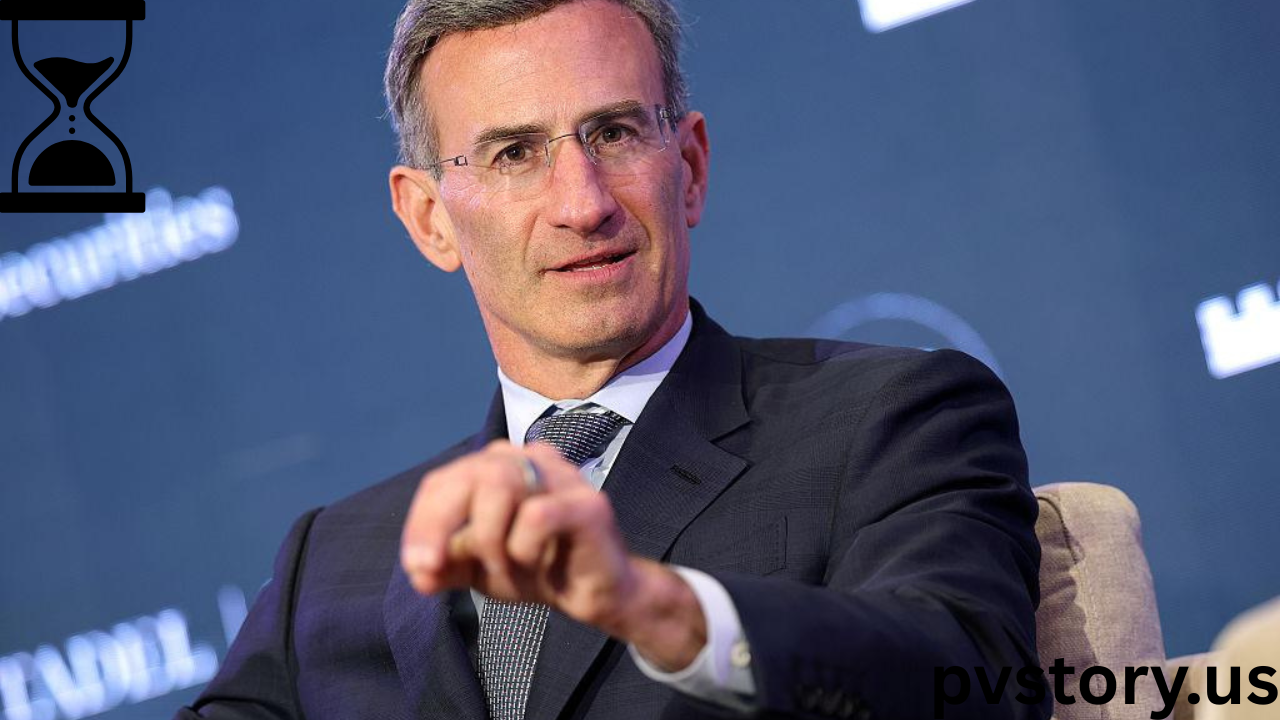
Few search terms reveal the curiosity of the internet quite like peter orszag wig. At first glance, the phrase appears unusual. Peter Orszag is best known for his work as an economist, public policy expert, former director of the Office of Management and Budget, and business executive—not for celebrity-style discussions about his appearance. Yet thousands of people routinely search for information related to his distinctive hairstyle, leading to persistent questions about whether he wears a wig.
The fascination highlights a broader trend in modern media. Public figures are no longer discussed solely for their professional accomplishments. In an era driven by social media, viral images, online forums, and AI-powered search engines, even minor details about a person’s appearance can become topics of widespread discussion. As a result, the keyword peter orszag wig has gained attention among curious readers seeking answers.
This article explores what is known, what remains speculation, why the topic attracts interest, and what it reveals about the way audiences engage with public figures in the digital age.
Who Is Peter Orszag wig?
Before examining the discussion surrounding peter orszag wig, it is important to understand who Peter Orszag is and why he attracts public attention in the first place.
Peter Orszag built a distinguished career in economics and public policy. He served as Director of the Office of Management and Budget during the administration of President Barack Obama and earned recognition for his work on healthcare reform, federal budgeting, and economic policy. Over the years, he has also held influential positions in the private sector, becoming one of the most recognizable voices in financial and economic discussions.
Unlike entertainers or social media influencers, Orszag’s public profile is rooted primarily in expertise and leadership. Nevertheless, highly visible professionals often become subjects of public curiosity. Television appearances, conference speeches, interviews, and corporate events place them in front of large audiences, where personal appearance sometimes attracts attention alongside professional achievements.
Why People Search for Peter Orszag Wig
Search behavior often reflects curiosity more than certainty. Many users who type peter orszag wig into search engines are not necessarily convinced that he wears one. Instead, they are looking for clarification after noticing his hairstyle in photographs or televised appearances.
The internet has created an environment where visual observations quickly evolve into searchable topics. A distinctive hairstyle, consistent appearance over many years, or changes in hair density can trigger questions among viewers. Search engines then amplify interest by suggesting related queries, encouraging additional searches and discussions.
This phenomenon is not unique to Peter Orszag. Numerous politicians, executives, television personalities, and public figures have faced similar speculation. In many cases, public curiosity emerges simply because individuals maintain a recognizable look over an extended period.
Is There Evidence That Peter Orszag Wears a Wig?
The most important question surrounding peter orszag wig is also the simplest: is there verified evidence?
As of now, there is no publicly available, credible evidence confirming that Peter Orszag wears a wig. No verified statement from Orszag, no official confirmation, and no reputable reporting has established such a claim as fact.
This distinction matters. Search interest alone does not create evidence. Online discussions, forum posts, social media comments, and speculative articles often circulate assumptions without verification. Responsible reporting requires separating documented facts from public conjecture.
For readers seeking a definitive answer, the reality is straightforward: the available public record does not provide proof that Peter Orszag wears a wig. Any claim stating otherwise should be treated cautiously unless supported by credible evidence.
The Psychology Behind Hair-Related Curiosity
The popularity of searches like peter orszag wig reflects broader psychological patterns. Hair has long been associated with youth, vitality, confidence, and professional image. As a result, people naturally pay attention to it when evaluating public figures.
Researchers studying first impressions consistently find that appearance influences perception. Hairstyles, grooming habits, and facial features often shape how audiences interpret authority, competence, and trustworthiness. Consequently, noticeable or distinctive hair can become a focal point for discussion.
In the digital era, this tendency has intensified. High-resolution photography, video clips, and social media sharing allow audiences to scrutinize public appearances more closely than ever before. What once might have been a passing observation can now become a recurring online topic.
Public Figures and Appearance Speculation
The discussion surrounding peter orszag wig belongs to a much larger cultural pattern. Public figures across politics, business, sports, and entertainment routinely face speculation about their appearance.
Historically, conversations about hairpieces, cosmetic procedures, and grooming choices have affected celebrities and politicians alike. The public often views these topics as harmless curiosity, but they can also overshadow professional accomplishments.
For executives and policy experts, appearance-related speculation presents a unique challenge. Their reputations are built on expertise, leadership, and decision-making rather than personal branding. Nevertheless, internet culture frequently blurs those distinctions, encouraging discussions that extend beyond professional credentials.
The result is an environment where visual characteristics can attract nearly as much attention as career achievements.
How Search Engines Amplify Niche Topics
One reason peter orszag wig continues to attract searches is the way modern search algorithms operate.
When enough users search for a specific phrase, search engines recognize it as a topic of interest. Autocomplete suggestions, related searches, and AI-generated summaries can increase visibility, leading more users to investigate the same question.
This feedback loop creates a cycle. Initial curiosity generates searches. Search volume signals interest. Increased visibility attracts additional searches. Over time, even highly niche topics can develop substantial online attention.
The process demonstrates how modern information systems shape public discourse. Search trends do not necessarily reflect importance, but they often reveal what people are curious about at a given moment.
The Role of Social Media in Viral Curiosity
Social media platforms have transformed the way appearance-related discussions spread. A single photograph, video clip, or public appearance can spark thousands of comments within hours.
In the case of peter orszag wig, social media discussions likely contribute to ongoing curiosity. Users frequently share observations, theories, and opinions, creating conversations that encourage others to investigate the topic independently.
Unlike traditional journalism, social media does not always prioritize verification. As a result, speculation can circulate widely before facts are established. This dynamic explains why some appearance-related topics gain significant traction despite limited evidence.
Understanding this distinction helps readers evaluate online discussions more critically and avoid confusing popularity with proof.
Professional Image in Modern Leadership
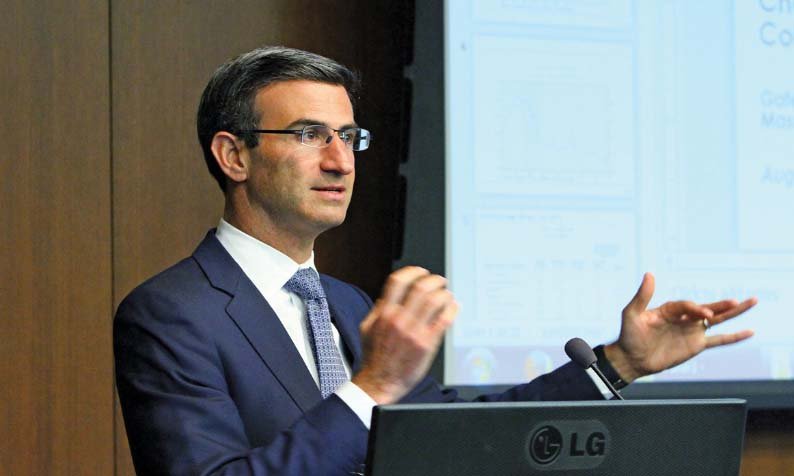
The attention generated by peter orszag wig also reflects the growing importance of personal branding among leaders.
Today’s executives, economists, and policymakers operate in a highly visible environment. Television appearances, livestreamed conferences, podcasts, and social media posts expose them to constant public observation.
Because visibility is so high, seemingly minor details can attract disproportionate attention. Appearance becomes part of the broader public narrative surrounding a leader, whether intentionally or not.
Experts in executive communications often emphasize consistency, authenticity, and professionalism. These qualities typically have a greater impact on public perception than specific grooming choices. Nevertheless, visual details continue to capture audience interest because they are immediately noticeable and easy to discuss.
What Readers Should Know About Online Speculation
When researching topics such as peter orszag wig, readers benefit from applying a simple framework.
First, distinguish verified facts from speculation. Second, evaluate the credibility of sources. Third, consider whether claims are supported by evidence or merely repeated across multiple websites.
Digital literacy has become increasingly important as online content expands. Many articles recycle information without independent verification, creating the illusion of consensus. Readers who prioritize reliable sources are better equipped to separate fact from rumor.
This approach is particularly valuable when discussing personal attributes or appearance-related claims involving public figures.
Emerging Trends in Search Behavior
The growing interest in searches like peter orszag wig reflects broader changes in online behavior. AI-powered search engines increasingly analyze user intent rather than exact keywords. As a result, curiosity-driven searches are becoming more common.
Market researchers report that audiences frequently search for personal details about public figures, including age, height, family background, hairstyles, and lifestyle choices. These searches often coexist with professional inquiries, creating a more holistic form of public interest.
Looking ahead, this trend is likely to continue. As AI systems provide richer answers and more contextual information, users will increasingly explore niche topics that combine personal curiosity with broader cultural discussions.
Key Takeaways
- Peter Orszag is a respected economist, policy expert, and business executive.
- The keyword peter orszag wig has gained attention due to public curiosity about his appearance.
- No verified public evidence confirms that Peter Orszag wears a wig.
- Search interest does not automatically validate a claim.
- Social media and search algorithms often amplify niche topics.
- Appearance-related discussions are common among public figures.
- Readers should rely on credible sources and verified information when evaluating online claims.
- Digital literacy remains essential in distinguishing fact from speculation.
FAQ
Why is the keyword peter orszag wig so popular?
The phrase attracts attention because internet users are curious about Peter Orszag’s distinctive hairstyle and appearance during public appearances.
Has Peter Orszag confirmed wearing a wig?
No. There is no publicly verified statement from Peter Orszag confirming that he wears a wig.
Is there evidence supporting the claim?
There is currently no credible public evidence that proves Peter Orszag wears a wig.
Why do people discuss public figures’ hair?
Hair is highly visible and often associated with identity, confidence, and personal image, making it a common topic of public curiosity.
Can search volume indicate whether a claim is true?
No. High search volume reflects interest, not accuracy. Verification requires reliable evidence and credible sources.
Do search engines contribute to the popularity of niche topics?
Yes. Features such as autocomplete suggestions and related searches can increase visibility and encourage additional searches.
What is the best way to evaluate appearance-related claims online?
Look for credible reporting, verified statements, and documented evidence rather than relying solely on social media discussions or speculation.
Conclusion
The enduring interest in peter orszag wig demonstrates how modern audiences engage with public figures in ways that extend far beyond their professional achievements. While curiosity about appearance is natural, the available evidence does not confirm claims that Peter Orszag wears a wig. What the trend truly reveals is the power of search engines, social media, and digital culture to transform small observations into widely discussed topics.
As online conversations continue to evolve, readers should approach viral questions with curiosity balanced by critical thinking. By focusing on verified information and credible sources, it becomes easier to separate genuine facts from speculation. For those interested in public figures, economics, leadership, and media trends, the story behind this search term offers a fascinating glimpse into how information spreads in the modern digital landscape.